

If you follow anything about healing or the nervous system, you’ve probably run into this one: when you’re in pain, talk to it. Lean into it.
It sounds simple, and it rolls off the tongue easily. But it’s easier said than done — especially if you’re the kind of person who’s used to being capable and in control everywhere else in your life. Quick pop-culture advice like this can actually make you feel worse when you try it and nothing shifts. The advice backfires, and it can leave you feeling like you’re not doing it right — like something is wrong with you. Shame cycle much?
Honestly, the first time I heard my yoga teacher say, “feel into the discomfort,” years before any somatic training, I mostly felt like I was doing it wrong. So when people tell me they’re confused by the advice, I get it.
It’s not just this one phrase, either. “Just breathe.” “Sit with it.” “Notice it without judgment.” These aren’t bad prompts, and I use versions of them myself. But offered too soon, before you have any footing, they don’t have much to land on. The prompt arrives before the steps that would make it usable.
A FREE RESOURCE
A Gentler Next Step
Why This Advice Falls Short
The phrase assumes you already have a skill most of us were never taught: the ability to locate a sensation in your body, stay with it without flinching, and somehow have a “conversation” with it. For someone without an existing body-awareness practice, “lean into it” isn’t a next step — it’s relief dangled in front of you without a manual.
Part of the trouble is that it skips the beginning steps. Talking to pain assumes you already know how to find it — not just where it is, but what it feels like before your mind jumps to interpretation, story, or judgment. That’s a trained skill, not something you can do on the fly.
It also gives you no sense of scale. Lean in how much, and for how long? Thirty seconds? Ten minutes? Until it shifts? With no dosage to go on, most people either push too hard and flood themselves, or hover at the surface and get nowhere.
The advice was incomplete. Not you.
Somatic Therapy vs. Talk Therapy: What's the Difference?
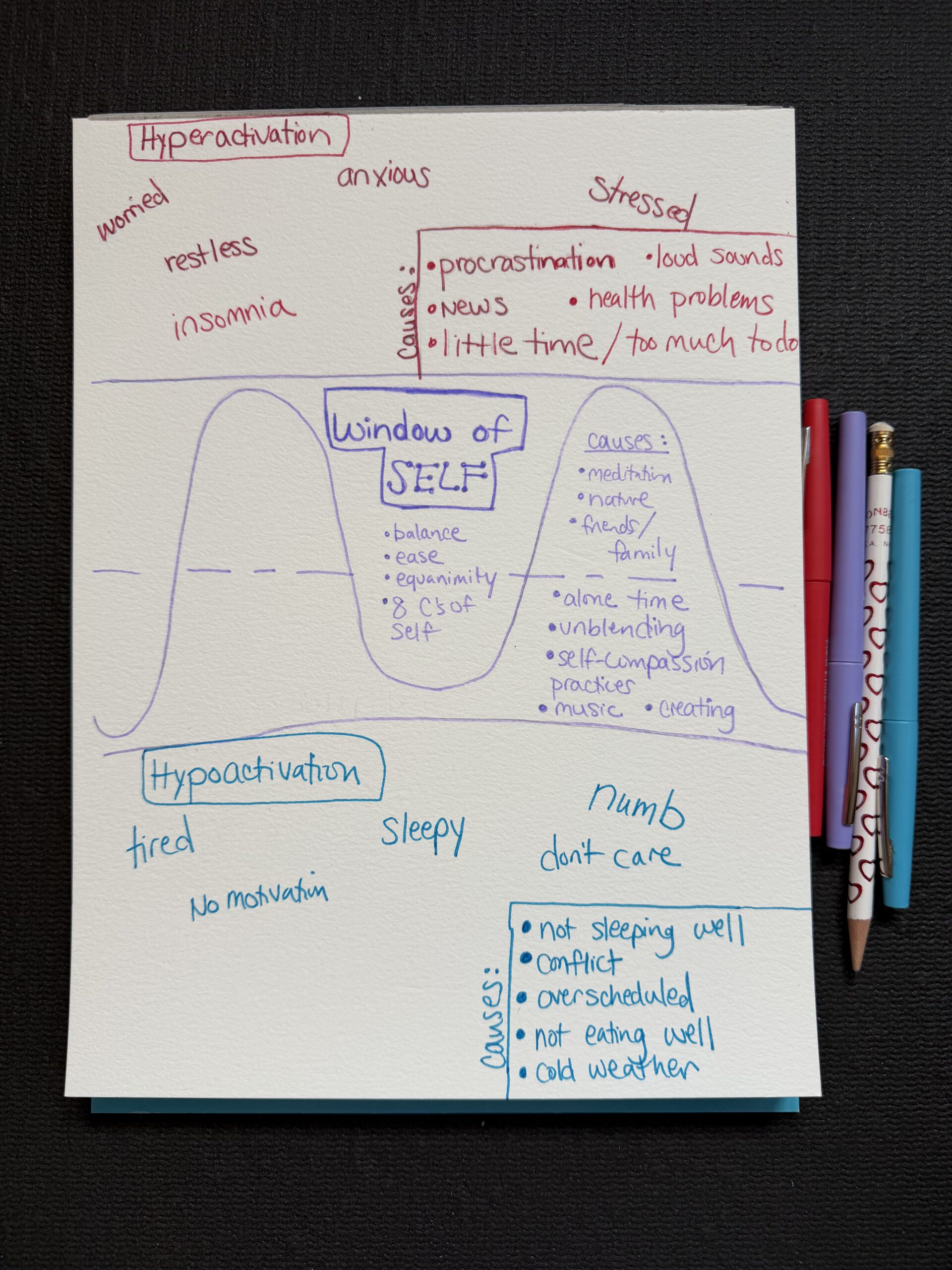
Talk therapy works primarily through language — naming what happened, examining thought patterns, building insight through conversation. Somatic therapy works through the body first: noticing sensation, tracking what the nervous system is doing in real time, and building capacity to stay present with discomfort before ever trying to narrate or analyze it.
Neither replaces the other, and many people benefit from both. But “talk to your pain” borrows the language of somatic work while skipping the body-based skills that make it possible — which is exactly why it tends to fall flat when it’s offered on its own.
What's Actually Missing from “Talk to It”
Orienting
The first is getting a sense of safety before you go anywhere near the intense stuff — what somatic therapists call orienting. Your nervous system needs to feel steady first: noticing the room, the support of the chair under you, something calm to rest your attention on. Skip this, and leaning in tends to feel overwhelming.Titration
From there, the work happens in small doses rather than all at once. Instead of sitting in a sensation at full intensity, you dip toward it briefly, notice what happens, and then back off. Therapists call this titration, and it’s closer to testing the water with a toe than diving all in.Resourcing
It also helps to have something steady to come back to — a calming breath, a part of your body that already feels okay, or a comforting image. That’s resourcing. It’s the difference between visiting discomfort and getting stuck there.Interoception
It helps to have a guide, especially at the beginning. Interoception is the term for sensing what’s happening inside your body. You build it over time — faster with someone who helps you slow down and notice what you’d otherwise miss. None of this is about being tougher or more “in tune” with your body. It’s a process with steps, and skipping straight to “just talk to it” leaves most of them out.Signs Your Nervous System May Be Dysregulated
If any of this sounds familiar, it may be less about willpower and more about where your nervous system is starting from:
- Feeling wired and exhausted at the same time, unable to fully rest even when nothing is “wrong”
- Going numb, foggy, or checked-out when things get emotionally intense
- Overreacting to small stressors, or feeling like you’re bracing for impact most of the day
- Trouble sleeping, digesting, or settling even when you’re physically safe
- Feeling disconnected from your body, or unable to tell what you’re feeling until it’s overwhelming
These are signs of nervous system dysregulation — and they’re exactly what orienting, titration, and resourcing are designed to address, gradually and in a manageable order.
If you’re running a business, leading a team, or building a creative career, it’s easy to miss these signs in yourself — or to explain them away, since nothing looks like a crisis from the outside. That’s exactly the pattern I see most in my practice: high-functioning people who are quietly running on empty, still performing well, still showing up, and slowly realizing that “pushing through” isn’t the same as being okay.

A More Grounded Starting Point
A more grounded starting point usually looks like this:
- Notice one sensation without needing to interpret or fix it yet
- Practice orienting to the present moment before approaching anything intense
- Work in small doses, with permission to pull back at any time
Somatic therapy is not a quick fix, but slow, guided work that reconnects your body and your awareness, at a pace your nervous system can actually handle. Book a free 15-minute consultation to start with an approach that actually has steps.