
Mindfulness-Based Therapy in Burlingame - Find Greater Calm and Balance
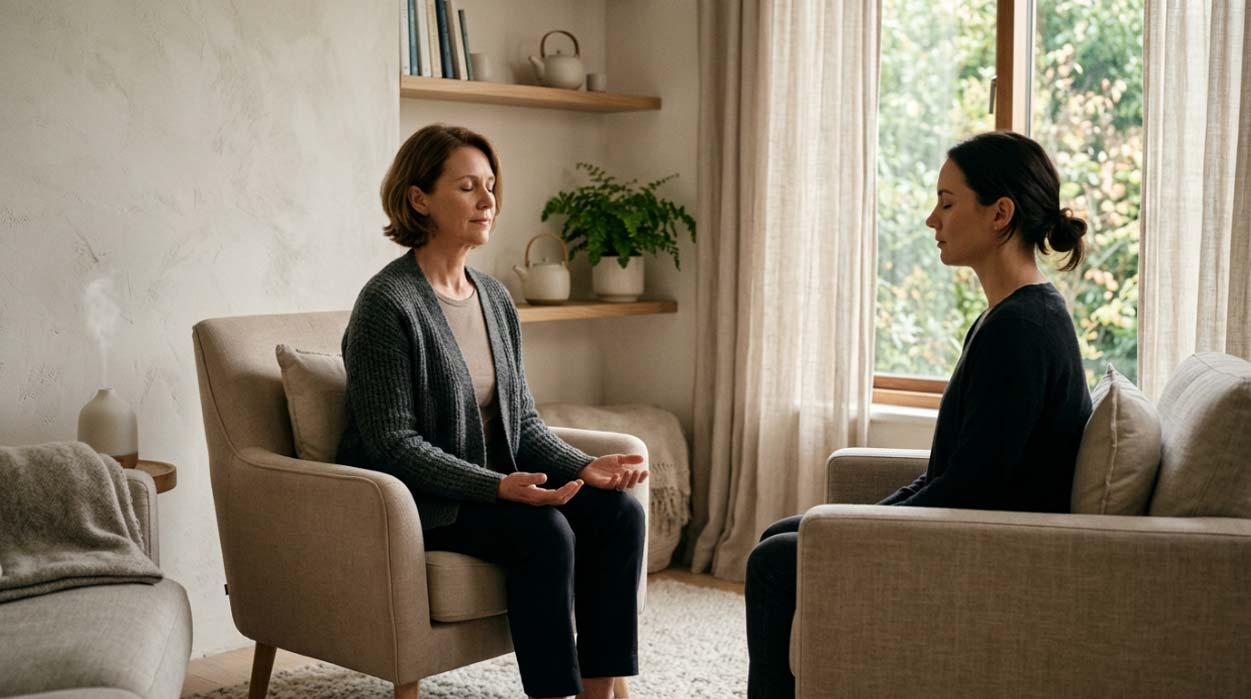
Life can feel overwhelming when your mind never slows down. Mindfulness-Based Therapy helps you become more aware of your thoughts, emotions, and reactions without being controlled by them. Together, we can build practical skills that help you feel calmer, more grounded, and more balanced.
How Mindfulness-Based Therapy Can Help
Anxiety and Chronic Worry
If your mind rarely slows down, you may find yourself trapped in endless what-ifs and worst-case scenarios. Mindfulness can help you notice anxious thoughts without getting pulled into them, making it easier to feel calmer, more present, and in control. These skills can be especially helpful for people struggling with anxiety attacks, panic attacks, or patterns of self-sabotage fueled by fear and worry.
Stress and Burnout
When stress builds up day after day, it can leave you feeling exhausted and overwhelmed. Learning to slow down and stay connected to the present moment can help you manage pressure more effectively and develop healthier stress management skills for life’s demands.
Depression and Low Mood
Depression often keeps people stuck in painful thoughts about the past or worries about the future. Mindfulness helps bring attention back to the present, creating space for greater self-awareness, acceptance, and meaningful engagement with daily life.
Trauma Recovery
Trauma can make it difficult to feel safe, connected, or grounded. Mindfulness practices can support healing by helping you gently reconnect with your body, strengthen grounding skills, and reduce feelings of emotional overwhelm.
Life Transitions
Changes such as a new career, relationship stress, parenting challenges, grief, or loss can bring uncertainty and stress. Mindfulness can help you approach these transitions with greater clarity, self-compassion, and resilience. If life changes are your primary concern, learn more about my Life Transition Therapy services.
Benefits of Mindfulness-Based Therapy
Increased Emotional Awareness
Learn to recognize your thoughts and emotions with greater clarity, helping you respond to challenges in healthier ways.
Reduced Anxiety and Stress
Develop practical skills that can help quiet an overactive mind and reduce the impact of everyday stress.
Improved Relationships
Become more present in your interactions, communicate more effectively, and build stronger connections with others.
Better Self-Compassion
Replace harsh self-criticism with a kinder, more understanding relationship with yourself.
Greater Mental Clarity
Gain a clearer perspective on your thoughts, feelings, and decisions, making it easier to move forward with confidence.
Stronger Coping Skills
Build healthy strategies for handling difficult emotions, setbacks, and life’s unexpected challenges.
Improved Overall Well-Being
Experience greater balance, resilience, and a deeper sense of peace in your daily life.
Signs You May Benefit from Mindfulness-Based Therapy
- Constant overthinking
- Difficulty relaxing
- Feeling disconnected from yourself
- Frequent stress or overwhelm
- Trouble managing emotions
- Feeling stuck in negative thought patterns
- Difficulty staying present
What to Expect in Therapy
Initial Consultation
Our first session is an opportunity to talk about what brings you to therapy, the challenges you are facing, and the goals you would like to achieve. This helps us determine whether mindfulness-based therapy is a good fit for your needs.
Personalized Treatment Plan
There is no one-size-fits-all approach to therapy. Together, we will create a plan that reflects your unique experiences, concerns, strengths, and goals.
Mindfulness Techniques You May Learn
Depending on your needs, therapy may include practical mindfulness skills such as mindful breathing, grounding techniques, body awareness practices, thought observation skills, and strategies for managing difficult emotions. You may also learn practices such as body scan meditation, guided meditation, sitting meditation, walking meditation, mindful eating, mindful movement, and other somatic practices that help strengthen the connection between mind and body.
Ongoing Support
Therapy is a collaborative process. As you move forward, you will receive guidance, support, and practical tools that can be applied in your everyday life to help you create lasting change and emotional well-being.
Why Choose Me for Mindfulness-Based Therapy in Burlingame
- I have been working in mental health since 2003, helping adults navigate anxiety, relationship challenges, life transitions, and personal growth.
- As a trained yoga teacher, I understand the powerful connection between the mind and body and how mindfulness, mindful movement, and somatic practices can support emotional well-being.
- I provide a compassionate, non-judgmental space where you can feel heard, understood, and accepted.
- Your therapy experience is tailored to your unique needs, goals, and life circumstances.
- I use evidence-based approaches that are grounded in research and adapted to support lasting change.
- I strive to create a safe and supportive environment where you can explore challenges, build new skills, and move toward greater balance and well-being.

Looking for Support Beyond Therapy?
Some people benefit from therapy, while others are seeking guidance around personal growth, life transitions, relationships, or achieving specific goals. Learn more about my Life Coaching services.
Start Your Journey Toward Greater Calm and Balance
You do not have to face stress, anxiety, or life’s challenges alone. Mindfulness-based therapy can help you develop greater awareness, resilience, and peace. Reach out today to schedule a consultation and take the first step toward lasting emotional well-being.
FAQs
What is mindfulness-based therapy?
It combines counseling and mindfulness practices to help you better understand and respond to your thoughts, emotions, and experiences.
Is mindfulness-based therapy the same as MBSR?
No. Mindfulness-Based Stress Reduction (MBSR) is a structured program, while mindfulness-based therapy is tailored to your unique needs and goals.
Can mindfulness-based therapy help with OCD or PTSD?
Yes. It may help people experiencing symptoms related to Obsessive-Compulsive Disorder (OCD), Post-Traumatic Stress Disorder (PTSD), anxiety, and stress.
Do you use approaches similar to Mindful Health Solutions?
Yes. My approach incorporates evidence-based mindfulness practices that support emotional well-being, resilience, and personal growth.